Discovering wasps in your Lowell backyard can be alarming, especially if you have children or pets. It's essential to act quickly and safely to address the situation. This guide will provide you with practical steps to manage wasps effectively, including identifying the species, safety precautions, DIY removal methods, and when to seek professional help from pest control in Massachusetts.
Understanding Wasps
Wasps are social insects that can build nests in various locations, including trees, eaves, and even underground. They are typically more aggressive than bees and can sting multiple times when threatened. Understanding their behavior and nesting habits is crucial for effective management.
Identifying Wasp Species
There are several types of wasps commonly found in Massachusetts. The most prevalent include:
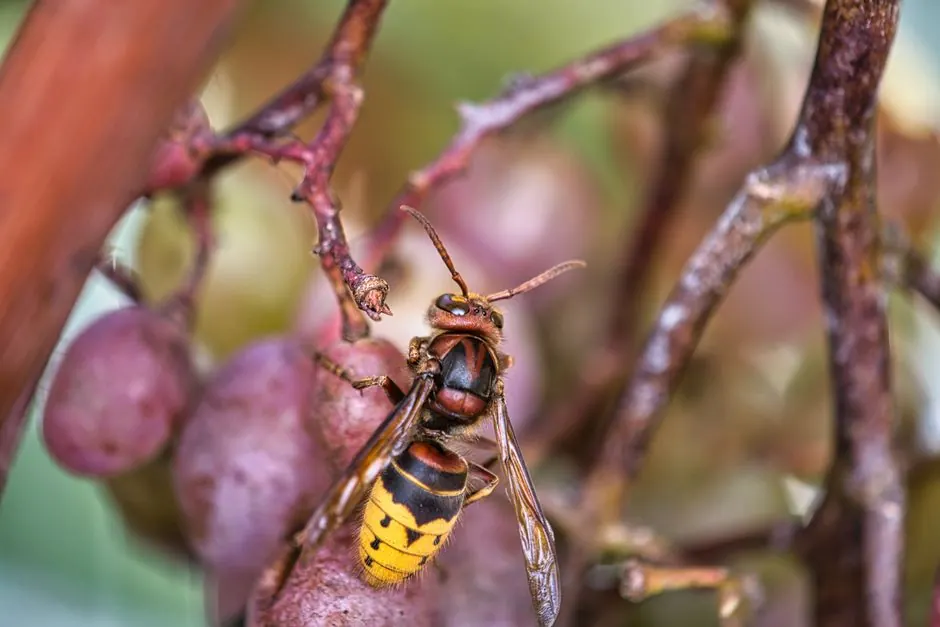
- Yellow Jackets: Recognizable by their yellow and black coloring, these wasps are known for their aggressive behavior, especially when their nests are disturbed.
- Bald-Faced Hornets: A type of yellow jacket, bald-faced hornets have a distinctive white face and build large, paper-like nests.
- Paper Wasps: These wasps have long legs and build open, umbrella-shaped nests. They are less aggressive but can still sting if provoked.
Identifying the species can help determine the best approach for removal.
Safety Precautions
Before attempting to remove a wasp nest, prioritize safety. Here are some essential precautions:
- Wear protective clothing, including long sleeves, pants, gloves, and a hat.
- Keep children and pets indoors during removal efforts.
- Have a plan for retreat if the wasps become aggressive.
Taking these precautions can minimize the risk of stings.
DIY Removal Methods
If you feel comfortable removing wasps yourself, consider these methods:
- Evening or Early Morning Approach: Wasps are less active during cooler temperatures, making it safer to approach their nests.
- Use of Insecticidal Sprays: Commercial wasp sprays can be effective. Aim for the nest and follow the instructions carefully.
- Soap and Water Solution: A mixture of soap and water can suffocate wasps. Spray it directly on the nest.
Always prioritize safety and consider your comfort level with DIY methods. If the nest is large or the wasps are aggressive, it's best to seek professional help.
When to Call a Professional
While DIY methods can be effective, there are times when calling in a professional is the best option. If the nest is large, located in a hard-to-reach area, or if you have allergies to stings, contact Wasp and Hornet Removal in Massachusetts. Professionals have the right equipment and expertise to handle the situation safely.
Common Mistakes to Avoid
When dealing with wasps, avoid these common mistakes:
- Attempting to swat or kill wasps without protective gear.
- Disturbing the nest during the day when wasps are most active.
- Ignoring signs of a nest until it becomes a larger problem.
Learning from these mistakes can help you manage wasps more effectively.
Frequently Asked Questions
What attracts wasps to my backyard?
Wasps are attracted to food sources, especially sugary substances and protein. Keeping your outdoor areas clean can help deter them.
How can I prevent wasps from nesting in my yard?
Seal potential nesting sites, such as gaps in eaves or walls. Regularly inspect your property for signs of nests.
Are wasps beneficial?
Yes, wasps help control pest populations by preying on insects like caterpillars and flies. However, their presence can be a concern in residential areas.
What should I do if I get stung?
If stung, remove the stinger if present, clean the area, and apply ice to reduce swelling. Seek medical attention if you experience severe reactions.
Can wasps return after removal?
Yes, if nests are not properly removed or if food sources remain, wasps may return. Regular maintenance and inspection are key to prevention.